
All customer stories

Using AI in maintenance can cut downtime by up to 30%

Technical documentation at Model Obaly was split across shared drives, service systems, inventory records and paper binders. Edmund helped digitise the paper documentation and connected all the sources in one interface that maintenance technicians can use right at the machine.

A two-page PDF summary
Industry
Corrugated packaging and board
Plants
Opava · Nymburk · Moravské Budějovice · Hostinné, CZ
Customer
Model Obaly a.s.
Sources
PLC · Manuals · Schematics · Spare parts
up to30%
potential for shorter breakdowns when using the system
300,000+
pages of technical documentation digitised and made accessible
4
locations and 5 production units in the Czech Republic. Opava is live, two more are being implemented.

The problem

Model Obaly is one of the largest manufacturers of corrugated and solid board packaging in the Czech Republic. As part of the Swiss Model Group, it operates at four Czech locations: Opava, Nymburk, Moravské Budějovice and Hostinné.

Maintenance at the Opava plant worked with more than 300,000 pages of technical documentation: manuals, electrical schematics, and hydraulic and pneumatic drawings. PLC projects, service records and spare parts inventory records were further separate sources.

The information was available, but in different places. Electronic documentation was on a shared drive, repair history in another system, and inventory records somewhere else again. Part of the documentation existed only on paper. When a fault occurred in a more distant part of the plant, maintenance technicians had to spend time walking to fetch the documents they needed, instead of focusing on diagnosis and repair.

Each of the four Czech locations kept its own inventory records, and the same part could be listed under different codes in different places. Checking whether a part was available meant searching the inventory records of each location.


How Edmund helped

Edmund connected the Opava plant’s technical documentation with the inventory records of all four Czech locations in one interface. A maintenance technician asks a question in plain language and gets an answer that points to the source, for example a specific page of a manual. In March 2026 all shifts completed their training. On the shop floor, technicians use Edmund on tablets and laptops; in the workshop, on desktop computers.

What Edmund connected
  • PLCFinds logic, tags, addresses and function calls in the available PLC projects.
  • ManualsFinds the relevant procedure in more than 300,000 pages of supplier documentation and points to the exact page.
  • Spare partsLooks up recorded part availability in the inventory records of four Czech locations.
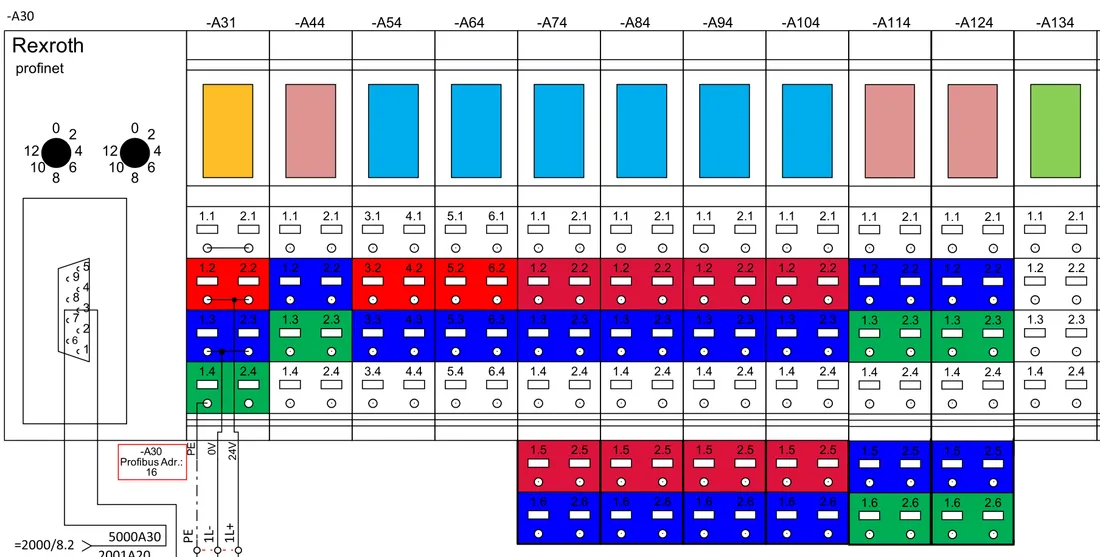
  • SchematicsFinds wiring in electrical, hydraulic and pneumatic schematics.

Spare parts across plants

Besides shorter downtime, the practical side of the project turned out to be spare parts: with Edmund, a maintenance technician finds stock availability much faster than before. They ask for the part they need and immediately learn whether it is held anywhere and which record is the right one. The Model Obaly plants can help each other out with parts: once it is clear that a part is held elsewhere, they can arrange to move it, for example in a critical situation.

A secondary effect of the implementation was that Edmund gained access to inventory stock and helped uncover items recorded twice across plants.

The result

Edmund became the common starting point for diagnosis right at the machine. A maintenance technician talks the fault through with the system and can learn the root cause within a few seconds. If a spare part is needed, they find out straight away whether it is in stock and go to get it without a stop at the workshop. Instead of needless walking, switching between systems and phoning colleagues, they have the answer at hand.

Live
Opava
Being implemented
Moravské Budějovice · Nymburk
Planned
Hostinné

Now we have everything in one place, right at the machine. I enter the details of a fault and within a few seconds I see what it means, how it was solved in the past and whether we have the parts if we need them. I don’t have to switch between systems or look anything up. Finding root causes is faster, and when we use the system we have the potential for shorter breakdowns, on average by up to 30%.

For me, the biggest benefit is that people can focus on the repair, not on searching for information.

Kamil Fedor
Country Maintenance Manager · Model Obaly a.s.
Kamil Fedor at a maintenance workbench with Edmund on a tablet

Discuss what your maintenance team works with

In a technical demo, we will review the documentation, repair records and business systems your team works with, and discuss how Edmund could support fault diagnosis.

Book a technical demo

This project was realised via financial support from Technological Incubation program

Financováno Evropskou unií · NextGenerationEU Národní plán obnovy Ministerstvo průmyslu a obchodu Czech Republic — The Country For The Future Technologická inkubace · CzechInvest